
I’ve spent more than a decade working alongside house cleaners, and house cleaners have shaped my understanding of what it really takes to keep a home functional, not just tidy. My first experience watching a seasoned cleaner at work was early in my career, and I still remember how effortlessly she found dust in places I didn’t even think to look—along the top edge of door frames, behind the legs of small furniture, and inside the lip of the stove drawer. I had walked into that home thinking it looked “pretty clean,” but by the time she finished, I understood how much attention to detail the best cleaners carry with them.
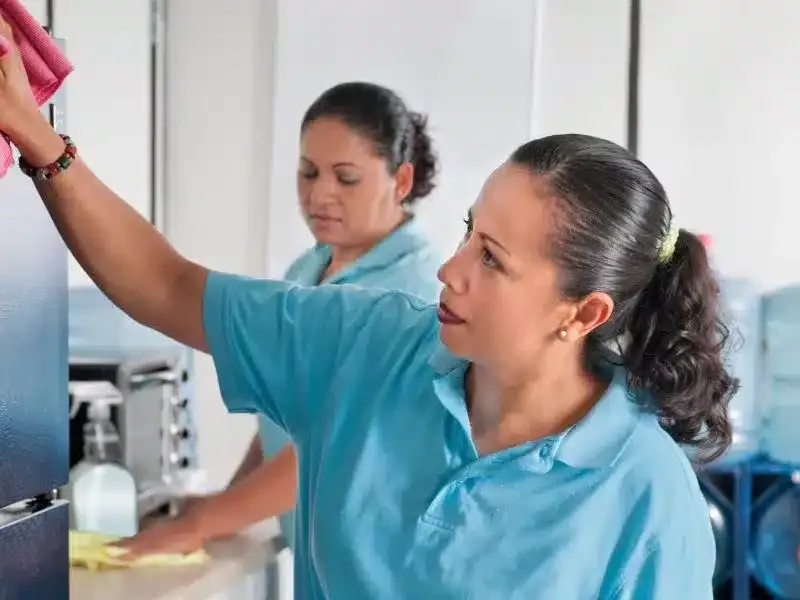 In my experience, the most skilled cleaners don’t just scrub surfaces—they read a home. I once worked with a client who couldn’t understand why her kitchen always felt cluttered, even though she wiped down the counters every night. A cleaner I’d trained with years earlier taught me to look at how a room is used before deciding how to clean it. In this case, the bottleneck wasn’t messiness—it was the way family traffic funneled everything onto the same small counter. We rearranged a few items, moved the mail station, and suddenly the room opened up. That lesson came directly from watching how experienced cleaners pay attention to human patterns, not just dirt.
Another moment that shaped my perspective happened during a deep clean for a retired couple. They were convinced their home was in great shape, and in many ways, it was. But the cleaner working with me noticed something I overlooked: a faint trail of pet hair running along the baseboards, almost invisible unless the light hit it just right. She explained that pets often push their hair to the edges of the room as they walk or lean against walls. I’d cleaned for years without understanding that subtlety. It’s details like that—learned by standing beside people who’ve been doing this work far longer than I had—that changed the way I clean.
I’ve also seen how much emotional weight cleaners quietly carry. One family I helped had gone through a difficult year, and their home showed it. The mother apologized repeatedly for the mess, but the cleaner working with me said something I’ve never forgotten: “Life leaves evidence. We’re just here to reset things so you can breathe again.” That perspective, shaped by years of entering homes at their best and worst, reminded me that cleaning isn’t just physical work. It’s an act of support, sometimes even care.
House cleaners also tend to develop an almost instinctive sense for how certain materials respond to products or techniques. I once applied too much cleaner to a wood table and left faint streaks behind. The cleaner I was shadowing simply laughed, dipped a cloth in warm water, wrung it nearly dry, and restored the finish in seconds. She told me she learned that trick after years of trial and error with homeowners who didn’t realize their furniture needed gentler handling. Advice like that doesn’t come from textbooks—it comes from real living rooms, real spills, and real mistakes.
Working alongside house cleaners has taught me that the job is far more than dusting and mopping. It’s problem-solving. It’s noticing the small things. It’s understanding how families live and how homes respond. And above all, it’s learning that a clean home isn’t about perfection—it’s about creating a space where people feel capable again.