
As a commercial real estate consultant specializing in industrial spaces, I’ve spent more than a decade helping businesses secure the right warehouse for rent for their operational needs. In my experience, the advertised square footage is rarely the full story—how a space functions in day-to-day operations depends on layout, dock placement, ceiling height, and workflow efficiency.
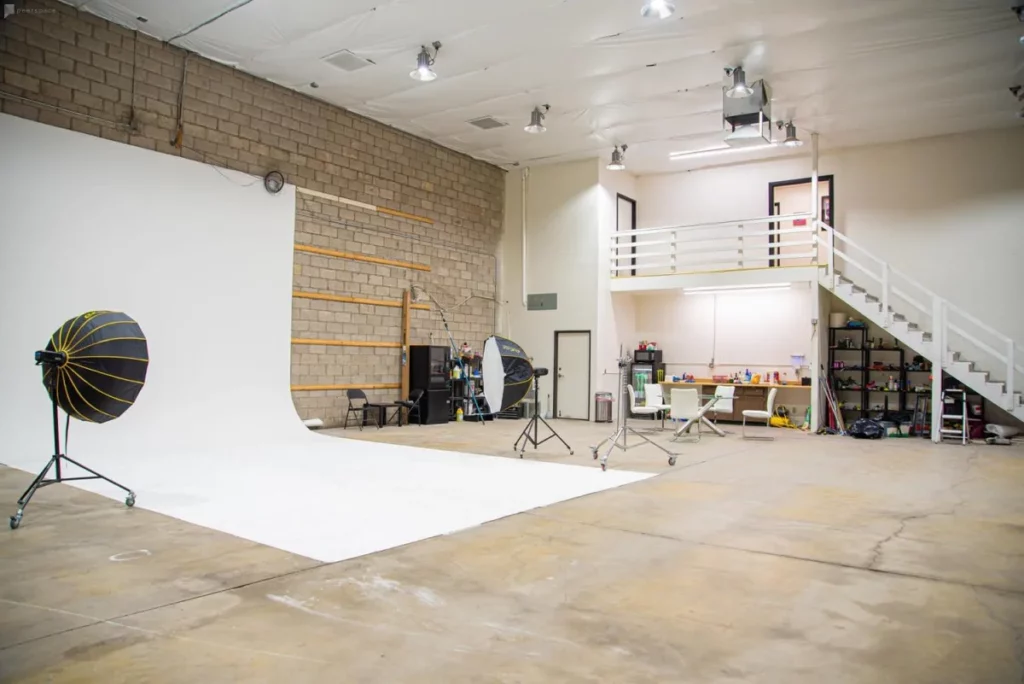
One client I remember vividly was a growing e-commerce business that needed to consolidate inventory from multiple smaller locations. The warehouse they initially considered looked perfect online, but during a walkthrough, I noticed the aisle widths were too narrow for forklifts during peak hours. By reconfiguring shelving and storage zones ahead of move-in, we avoided bottlenecks and improved overall efficiency—a lesson that reinforced how critical practical layout is, beyond what floor plans suggest.
Another example involved a food distribution company that leased a low-cost warehouse without checking electrical capacity. They planned to install additional refrigeration units, but the existing wiring couldn’t handle the load. I helped them map out the electrical and HVAC setup, and with some small adjustments, they avoided costly downtime and equipment failures. Experiences like this taught me that infrastructure often matters more than mere square footage.
I’ve also seen businesses underestimate the importance of location. One client opted for a cheaper warehouse further from major shipping routes. Initially, the rent savings seemed attractive, but rising transportation costs and delayed deliveries quickly outweighed the lower rent. From my perspective, accessibility and operational efficiency should weigh as heavily as monthly costs.
Finally, visiting the space in person is invaluable. Photos and listings rarely capture small but crucial details such as dock height, floor conditions, or natural light. Walking a warehouse allows me to check everything from traffic flow for forklifts to neighboring property upkeep—details that can significantly impact safety and productivity.
Choosing the right warehouse isn’t just about cost or square footage. From my experience, the most successful decisions come from evaluating operational functionality, anticipating bottlenecks, and planning for growth. A thoughtfully selected warehouse supports smooth operations and can be a true asset to a business for years.